
Flat Webbing Lifting Sling 1 Ton
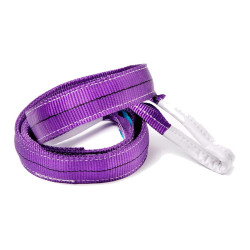
Flat Webbing Lifting Sling 1 Ton with 2 Folded Loops Compliant with EN 1492-1 standard, with...
Flat Webbing Lifting Sling 2 Ton with 2 Folded Loops Compliant with EN 1492-1 standard, with...
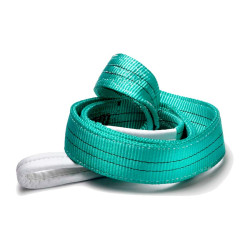
Flat Webbing Lifting Sling 3 Tons Compliant with EN 1492-1 standard, with certificate of...
Flat Webbing Lifting Sling 4 Ton with 2 Folded Loops Compliant with EN 1492-1 standard, with...
Flat Webbing Lifting Sling 5 Ton with 2 Folded Loops Compliant with EN 1492-1 standard, with...
Flat Webbing Lifting Sling 6 Ton with 2 Folded Loops Compliant with EN 1492-1 standard, with...
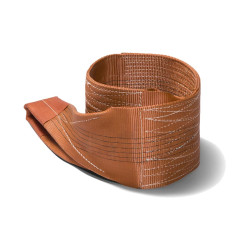
Flat Webbing Lifting Sling 8 Ton with 2 Folded Loops Compliant with EN 1492-1 standard, with...
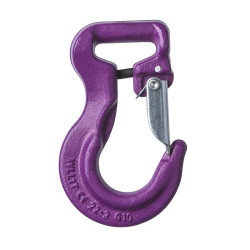
Hook for webbing and textile sling Grade 10 With declaration of Conformity WLL from 1000 to 5000...
1-ton textile sling with latch hook | WLL 1,000 kg CE standard: EN 1492-2 + A1 | safety factor...
single textile sling with latch hook | WLL 2,000 kg CE standard: EN 1492-2 + A1 | safety factor...
2-leg textile sling with latch hook | WLL 1,400 kg CE standard: EN 1492-2 + A1 | safety factor...
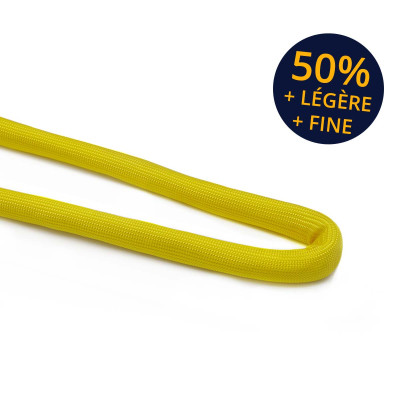
EN 1492-2+A1 standard, with certificate of conformity Made in France | safety factor = 7 Endless...
Standard EN 1492-2+A1, with certificate of conformity Safety factor = 7 Sling resistant to...
Endless round sling WLL 1000 Kg for lifting Standard EN 1492-2, with certificate of conformity,...
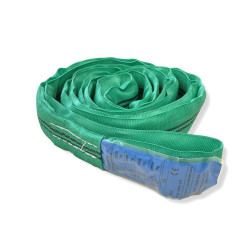
Endless Round Lifting Sling WLL 2 T Standard EN 1492-2, supplied with certificate of conformity...
Endless Round Lifting Sling WLL 3 T Standard EN 1492-2, supplied with certificate of conformity...
Endless Round Lifting Sling WLL 4 T Standard EN 1492-2, supplied with certificate of conformity...
Endless Round Lifting Sling WLL 5 T Standard EN 1492-2, supplied with certificate of conformity...
Endless Round Lifting Sling WLL 6 T Standard EN 1492-2, supplied with certificate of conformity...
Endless Round Lifting Sling WLL 8 T Standard EN 1492-2, supplied with certificate of conformity...
Endless Round Lifting Sling WLL 10 T Standard EN 1492-2, supplied with certificate of conformity...
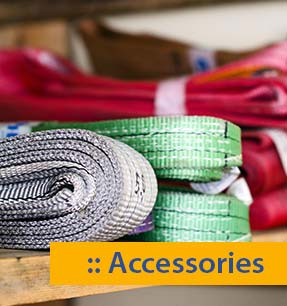
Lifting slings, also known as flat webbing slings, are essential lifting accessories for hoisting, handling and moving loads in industry, construction, logistics and maintenance workshops. Unlike load restraint straps, lifting slings are designed exclusively for lifting operations and must be selected according to the Working Load Limit (WLL), the weight of the load, the lifting configuration and the working environment.
The European EN 1492-1 standard specifies the safety requirements for flat woven webbing slings manufactured from synthetic fibres such as polyester, polyamide or polypropylene. It defines the rules for the design, manufacture, marking, testing and safe use of these lifting accessories. Lifting slings manufactured in accordance with this standard have a 7:1 safety factor, meaning their minimum breaking strength is at least seven times their Working Load Limit (WLL).
Each lifting sling must be fitted with a durable identification label showing the WLL, effective length, material, applicable standard, manufacturer and traceability information. This identification is essential to ensure safe and compliant use. For professional lifting operations, it is important to respect sling angles, protect the sling from sharp edges with suitable corner protectors and never exceed the manufacturer's rated capacity.
No. A lifting sling is designed for lifting and slinging operations only. It must never be used to secure loads during transport. For load restraint applications, use web lashings compliant with EN 12195-2.
WLL stands for Working Load Limit. It is the maximum load that the sling can safely lift under normal operating conditions. This rating must never be exceeded.
A lifting sling must be removed from service if it shows cuts, tears, damaged stitching, burns, chemical attack, excessive abrasion, deformation or if the identification label is missing or illegible.
Yes, but only with appropriate edge protection. Sharp edges can cut or damage the webbing fibres and may lead to dangerous failure during lifting operations.

To preserve their strength and service life, lifting slings should be maintained carefully. After use, clean them with clean water if necessary and allow them to dry naturally. Avoid prolonged exposure to chemicals, oils, solvents, heat sources and welding spatter.
Lifting slings should be stored in a clean, dry, well-ventilated area away from direct UV exposure. They should never be knotted, crushed under a load or stored with sharp metal components. Before each use, carry out a visual inspection to check the condition of the webbing, stitching and identification label.
Yes. Lifting slings are classified as lifting accessories and are subject to periodic inspections in professional environments. In addition to the visual inspection carried out before each use, a thorough inspection should be performed at least once a year by a competent person, in accordance with local regulations.
These inspections ensure that the lifting sling remains suitable for use, is free from dangerous defects and can continue to be used safely. Any damaged sling must be immediately withdrawn from service. Maintaining an inspection register is also recommended to ensure full traceability of lifting equipment.